The Ultimate Cardio Workout Blueprint for Health, Energy & Longevity
Welcome to your go-to resource for mastering cardiovascular fitness! Whether you’re new to exercise or an experienced athlete, this guide will help you unlock the power of cardio workouts tailored specifically for modern lifestyles.
In today’s fast-paced world, finding effective ways to stay active can feel overwhelming. But what if we told you that consistent cardio training could transform your health in remarkable ways? Let’s explore how these exercises can become your secret weapon for vitality and well-being.
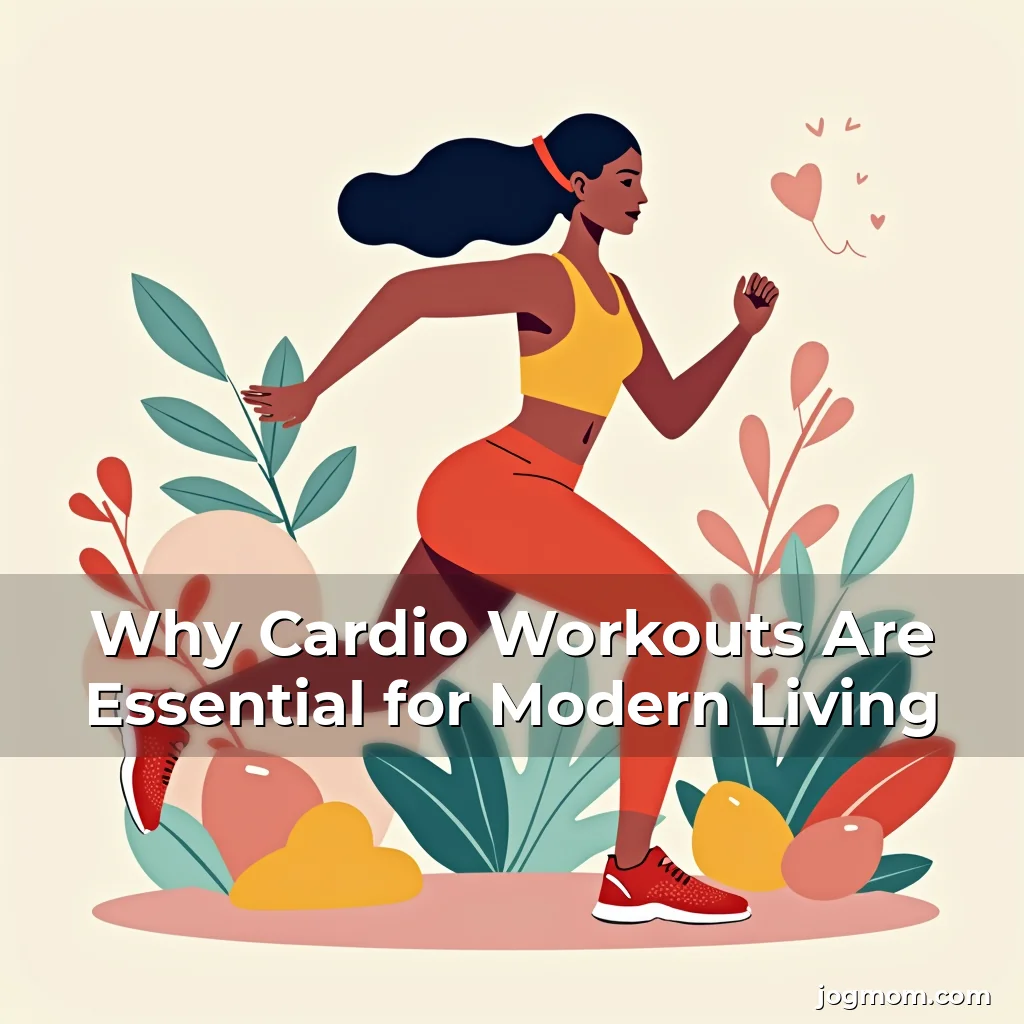
Why Cardio Workouts Are Essential for Modern Living
In our technology-driven era, sedentary habits have become dangerously common. According to recent studies by the World Health Organization, over 26% of adults globally lead physically inactive lives. This alarming statistic highlights why incorporating regular cardiovascular exercise is crucial for maintaining optimal health.
Cardiovascular workouts offer numerous benefits beyond simple calorie burning. They strengthen heart muscles, improve circulation, and enhance oxygen delivery throughout the body. These physiological changes not only boost physical performance but also contribute significantly to mental clarity and emotional stability.
Heart health: Regular aerobic activity reduces risk factors associated with coronary artery disease by up to 35%. It helps lower blood pres
Mental wellness: Exercise releases endorphins that combat stress hormones while improving sleep quality. Research from Harvard Medical School shows that even moderate-intensity cardio sessions can reduce symptoms of depression by as much as 26%.
Long-term vitality: People who maintain consistent cardio routines tend to age better. Studies indicate they experience fewer chronic diseases and enjoy greater mobility well into their later years.
Getting Started With Your First Cardio Routine
If you’ve never engaged in structured cardio before, starting small is key to building sustainable habits. Begin with low-impact activities like walking or cycling at a comfortable pace. Aim for 20-30 minutes most days of the week to establish consistency without risking injury.
Choosing the right time of day matters too. Morning exercisers often report higher energy levels throughout the day, while evening workouts may provide better relaxation after long workdays. Experiment with different schedules to find what works best for your lifestyle.
Your workout space is another consideration. If you live in a city with limited outdoor areas, consider home-based options such as treadmill running or stationary bike workouts. Always ensure your chosen environment provides adequate ventilation and safety features.
Tips for beginners:
- Warm-up properly: Spend 5-10 minutes doing light stretches or brisk walking before intensifying your workout.
- Heartrate monitoring: Track your pulse using wearable devices or manual checks to stay within safe intensity zones.
- Hydration essentials: Drink water before, during, and after exercising to prevent dehydration and muscle cramps.
- Cool-down techniques: Gradually slow down your activity level and perform gentle stretching to avoid post-exercise stiffness.
Top 8 Cardio Exercises For All Fitness Levels
With so many cardio options available, selecting the perfect fit requires understanding your personal preferences and goals. Here are eight highly effective exercises suitable for various skill levels:
Walking: One of the simplest yet most beneficial forms of exercise, walking improves endurance and joint flexibility. A daily 30-minute walk can burn around 150 calories depending on speed and terrain difficulty.
Jogging/Running: For those seeking increased intensity, jogging or running offers substantial cardiovascular benefits. Beginners might start with interval training – alternating between faster and slower paces every few minutes.
Biking: Cycling is excellent for strengthening leg muscles while minimizing impact on joints. Outdoor biking allows fresh air expo
Swimming: As a full-body workout, swimming engages nearly all major muscle groups simultaneously. It’s particularly recommended for individuals recovering from injuries due to its low-impact nature.
Dancing: Combining fun with fitness makes dancing ideal for people who prefer entertainment-based exercise. Different styles vary greatly in intensity; choose music that matches your desired effort level.
Rope skipping: Jumping rope delivers high-calorie burns in minimal time – approximately 10 minutes equals about 100 calories burned. However, proper form is essential to protect knees and ankles from strain.
Elliptical machines: These indoor alternatives simulate running motion without putting excessive pressure on joints. Many models feature adjustable resistance settings for personalized challenge levels.
Stair climbing: Using stairs instead of elevators adds vertical movement that strengthens core muscles and boosts metabolism. Try adding weight vests for extra resistance when ready.
Advanced Techniques To Maximize Cardiorespiratory Efficiency
Once you’ve established a solid foundation through basic cardio practices, exploring advanced methods can further elevate your results. Interval training, circuit workouts, and HIIT protocols introduce variability that challenges both mind and body effectively.
High-Intensity Interval Training (HIIT): This method involves alternating between intense bursts of activity followed by brief recovery periods. For example, sprinting for 30 seconds then resting for 1 minute repeated several times creates powerful metabolic effects.
Circuit training: Combine multiple exercises targeting different muscle groups within short intervals. This approach increases caloric expenditure while promoting muscular development alongside cardiovascular conditioning.
Fartlek training: Swedish for’speed play,’ this technique mixes steady-state efforts with sudden acceleration phases mimicking real-life scenarios like chasing a bus or catching someone on foot.
Tabata protocol: An extreme version of HIIT consisting of 20 seconds maximal exertion followed by 10 seconds rest repeated eight cycles totaling four minutes. Ideal for short but potent workouts fitting busy schedules.
Nutrition Strategies That Complement Cardio Performance
No matter how rigorous your workout regimen, proper nutrition remains vital for achieving peak performance. Fueling your body correctly ensures sustained energy levels and efficient recovery processes post-exercise.
Prioritize complex carbohydrates: Foods like brown rice, quinoa, sweet potatoes provide lasting fuel compared to refined sugars found in processed snacks. These nutrients support prolonged endurance during longer sessions.
Lean protein sources: Incorporating chicken breast, fish, eggs, dairy products aids in repairing micro-tears caused by intense physical activity. Consuming these proteins within two hours following workouts optimizes muscle synthesis rates.
Healthy fats: Avocados, nuts, olive oil contain monounsaturated fats linked to improved heart function and reduced inflammation markers in athletes’ bodies.
Electrolyte balance: Sweating excessively during workouts leads to loss of sodium, potassium, magnesium ions. Replenishing them via sports drinks or natural food sources prevents cramping issues and maintains hydration status.
Creating Sustainable Cardio Habits In Daily Life
Sustainability lies at the heart of any successful fitness journey. Rather than focusing solely on quantity metrics like miles run or steps taken, prioritize creating enjoyable routines that naturally integrate into everyday life.
Micro-movements throughout the day: Taking frequent short walks instead of sitting continuously breaks up extended periods of immobility. Even standing up every hour contributes positively towards circulation improvement.
Active commuting choices: Opt for walking or cycling to nearby destinations rather than driving whenever possible. This transforms routine errands into opportunities for physical engagement without additional time commitments.
Home-based solutions: Utilize online platforms offering virtual classes ranging from Zumba to yoga-based cardio sequences accessible anytime from smartphones or tablets.
Social accountability systems: Join local running clubs or participate in group events where shared goals create mutual encouragement. Social interaction elements make adherence easier compared to solitary pursuits alone.
Common Mistakes To Avoid When Doing Cardio Workouts
Avoiding pitfalls early on sets you up for long-term success with cardio exercises. Recognizing typical errors helps prevent injuries and wasted effort spent correcting poor habits later.
Overtraining syndrome: Pushing yourself too hard without sufficient rest leads to fatigue, irritability, and potential injuries. Listen closely to signals your body sends regarding discomfort levels during workouts.
Ignoring warm-ups/cold downs: Rushing straight into intense activity raises injury risks substantially. Dedicate time for preparatory movements before each session regardless of perceived readiness.
Incorrect breathing patterns: Holding breaths during exertions increases internal pressure potentially harming organs. Practice controlled nasal inhalation coupled with mouth exhalation techniques consistently.
Wearing improper footwear: Shoes lacking appropriate arch support cause undue stress distribution across feet leading to blisters, plantar fasciitis, etc. Invest in quality gear matching your specific needs based on shoe type preferences.
Tracking Progress And Adjustments Needed Over Time
Measuring progress objectively enables informed decisions about modifying current programs according to evolving capabilities. Employing varied assessment tools keeps motivation alive amidst plateaus encountered along the way.
Performance indicators: Monitor improvements in stamina duration, speed increments, ease of completing previously challenging tasks as benchmarks showing gradual enhancement.
Physiological markers: Blood tests revealing decreasing triglyceride concentrations or rising HDL values serve as biological evidence supporting positive adaptations resulting from continued practice.
Subjective feedback: Pay attention to feelings of invigoration versus exhaustion after workouts indicating whether adjustments need made toward more balanced approaches.
Technology integration: Wearables tracking heart rate variability, step counts, distance covered assist in quantifying achievements visually making abstract gains tangible entities worth celebrating regularly.
Special Considerations For Specific Populations
While general guidelines apply broadly, certain demographics require individualized considerations ensuring safety effectiveness simultaneously achieved together harmoniously.
Seniors aged 65+: Focus on low-impact modalities preserving joint integrity while still obtaining necessary aerobic stimulus. Tai Chi combines mindfulness aspects enhancing balance abilities crucial for fall prevention among elderly populations.
Expectant mothers: Consult healthcare professionals prior initiating new regimens since pregnancy alters bodily functions requiring careful management especially concerning cardiac workload limits imposed temporarily.
Individuals with pre-existing conditions: Those managing diabetes mellitus benefit immensely from monitored glucose fluctuations achievable through structured exercise prescriptions devised collaboratively with medical advisors overseeing treatment plans comprehensively.
Obese persons: Commence with seated exercises progressing gradually toward upright positions until weight-bearing capacities safely reached avoiding unnecessary strain upon musculoskeletal frameworks initially fragile under heavier loads.
Conclusion
By From understanding fundamental principles behind these workouts to implementing practical strategies tailored precisely for your situation, there’s no shortage of avenues leading toward healthier living.
Remember, consistency trumps perfection every single time. Choose activities you genuinely enjoy knowing that small victories accumulate exponentially over months transforming initial hesitant attempts ultimately becoming cherished lifelong traditions centered around wellness celebration through movement experiences shared joyfully amongst loved ones alike.